

The neighbour that arrived before us
The Arctic fox is Iceland’s only native terrestrial mammal to have arrived naturally. Its arrival is a different story from that of horses, sheep or reindeer brought by people. Its scientific name is Vulpes lagopus; Icelandic names include refur, tófa and melrakki.
It is not confined to one distant northern corner. Foxes live in different parts of Iceland, along the coast and inland. No itinerary, however, can guarantee a sighting.
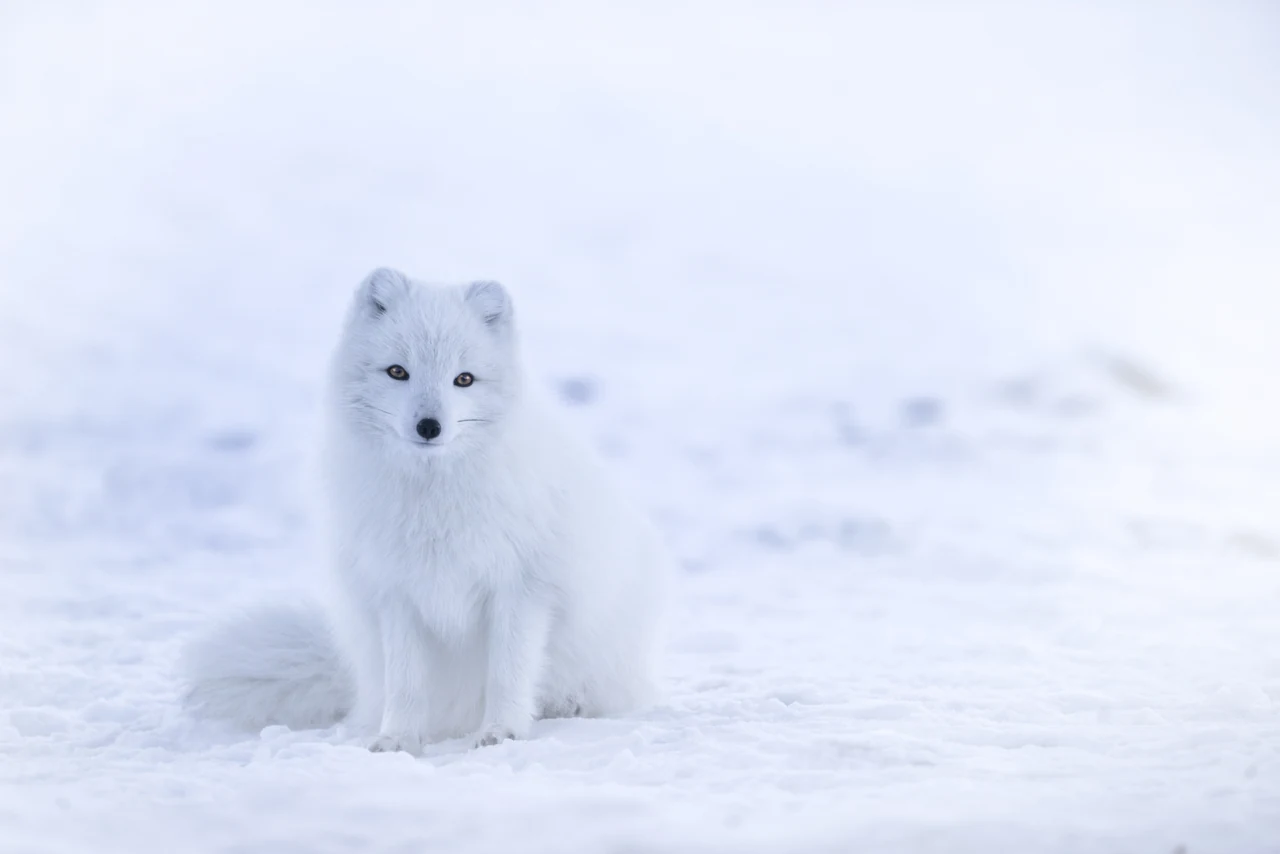
Do they all turn white in winter?
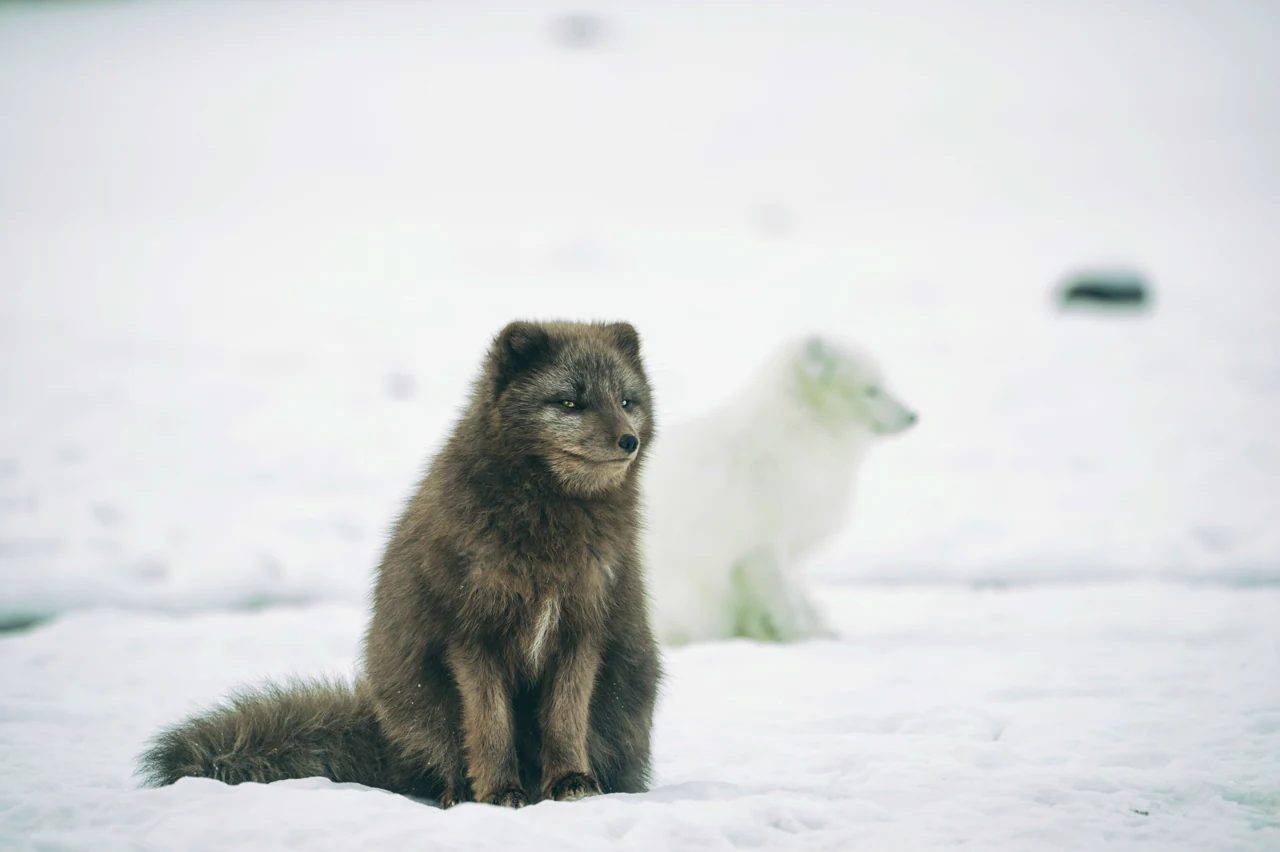
No. The white morph has a white winter coat; in summer its back is browner and its underside pale. The other morph is called “blue”, although it usually looks dark brown. It does not turn white in winter.
These are colour forms of the same species. Colour and seasonal coat thickness are separate things, too. A thick winter coat can make a fox look rounded, while a summer coat makes it look slimmer and longer-legged.
 İzlandapedia

A life built for the cold
Small ears, dense fur and furry foot pads help the fox cope with cold conditions. Heat exchange in its legs also limits heat loss. Fur is only part of the story: foxes cache surplus food and build fat reserves in autumn.
Cubs are called yrðlingar in Icelandic. Most births take place from around mid-May, with summer devoted to raising the young. Both parents bring them food. Waiting beside a den for a charming picture can interrupt that family routine.
A different menu on the coast and inland
The Arctic fox is an opportunistic omnivore. Birds, eggs, carrion, invertebrates and berries are among its foods. Material washed ashore matters on the coast; inland, the balance of available food is different.
Lemmings, an important food for Arctic foxes in some other countries, do not live in Iceland. The Icelandic fox’s life cannot simply be explained using another country’s rodent cycle. Food that remains accessible in winter is an important part of the island’s fox ecology.
Where might you see one?
The Westfjords, especially Hornstrandir, are well known for Arctic fox watching. Fox hunting is prohibited in Hornstrandir. A fox that does not run away is still a wild animal, rather than an invitation to approach or touch it.
Hornstrandir is not a drive-through park: there is no road access, and most visitors arrive by boat. Summer is the more accessible season for boat services and hiking plans. Confirm sailings, weather, reserve rules and your return arrangements beforehand. Do not leave established routes to pursue a fox.
The first rule of a good photograph: give the animal space
- Do not feed foxes. Do not lure them with food or leave bait for photographs.
- Keep away from dens. Visit Westfjords advises at least 40 metres; follow any local instruction requiring more space.
- Do not run after a fox, call to attract it or block its route.
- Withdraw quietly if you encounter cubs or an adult carrying food.
- Use binoculars or a long lens instead of moving closer.
If you need to change the animal’s behaviour to get a picture, you are too close. A wild fox is not a pet.
Start learning in Súðavík
Melrakkasetur Íslands — the Arctic Fox Centre in the Westfjords is a research and exhibition centre about fox biology, relations with people and Icelandic research. Its address is Eyrardalur 4, 420 Súðavík.
Confirm opening hours and admission prices directly with the centre. Seasonal information should not become a fixed travel promise. A visit does not replace seeing a wild animal; it helps you understand the animal you may encounter.
An appealing symbol, and a contested neighbour
The fox’s Icelandic history extends beyond wildlife photography. It includes a long relationship with livestock farming, bird colonies, hunting and conservation. Protection in Hornstrandir should not be presented as though it applies across the whole country.
This guide is neither hunting advice nor a current population census. Its purpose is to introduce the fox and help visitors avoid burdening its daily life. Check the responsible authorities and local notices for current conditions.
Quick answers
Will I see one in Reykjavík?
This guide does not promise a Reykjavík viewing spot. Foxes live in different parts of Iceland; do not build a guaranteed encounter into a city visit.
Are the white and dark foxes the same species?
Yes. Both can be Vulpes lagopus: white and blue colour morphs occur within the same species.
Can I feed a fox if it comes towards me?
No. Do not feed or touch it. Remain calm and leave it a clear route away.
Sources and image credits
Sources checked on 30 October 2026. Historical population estimates are not presented as today’s census. The photographs are real images, not evidence of current weather or a guaranteed viewing location.
- Náttúrufræðistofnun · Melrakki (Vulpes lagopus)
- Náttúrufræðistofnun · Melrakki — lífshættir
- Melrakkasetur Íslands · Litir á feldi
- Melrakkasetur Íslands · Tímgun og félagskerfi
- Rannsóknastöðin Rif · Dýralíf
- Melrakkasetur Íslands · The Arctic Fox
- Visit Westfjords · Hornstrandir Nature Reserve
- Umhverfisstofnun (Náttúruverndarstofnun since 2025) · Hornstrandir — visitor guidance
- Visit Westfjords · The Arctic Fox Center
Photo: Jonatan Pie / Wikimedia Commons · CC0; Jonatan Pie / Wikimedia Commons · CC0. Photographs resized for the web; the sharing image is cropped.