
01 / Make the key decisions
Before you go: six quick answers
Do I need a visa for Iceland?
It depends on your passport and travel purpose. US and full British citizen passports have qualifying short-visit exemptions; other documents need their own check. Check the passport table and official sources.
Do I need ETIAS now?
At the 5 November 2026 check, the official EU service said ETIAS was not operational. EES is a separate border-registration system. Check the current entry guidance.
Where is Iceland, and what is its population?
An independent North Atlantic island country, with Reykjavík as capital. The verified Q2 2026 figure is 396,500 people. See the map, date and definitions.
Which airport should I use for Reykjavík?
Check Keflavík (KEF) for most international arrivals; the city airport RKV is separate. Understand the two airports before booking.
How do I get from Keflavík to Reykjavík?
Compare the coach, public bus, taxi and hire car for your arrival and final destination. Compare the whole airport transfer.
What currency and time zone does Iceland use?
Icelandic króna (ISK) and UTC+0 / GMT all year. Read the payment guide and check the time-zone explanation.
Travelling from Türkiye: passport and time checks
For a short visit, holders of ordinary Turkish passports need a Schengen visa. Special green, service and diplomatic passports have qualifying short-visit exemptions; check permitted duration and document requirements in the passport table.
Türkiye is three hours ahead: 12:00 in Iceland is 15:00 in Türkiye. Plan flights, connections and the KEF transfer together. Confirm direct flights for your own date and include connection waits and baggage in the journey plan.
Choose your pace
Can I enjoy Iceland without renting a car?
Yes. Build the trip around a Reykjavík base and book the transport that matches each outing. A car buys flexibility, but it also makes you responsible for driving conditions, parking and rental decisions.
With children or access needs? Ask about child seats, toilet breaks, step-free access, walking surfaces and boarding arrangements before paying. “Easy walk” does not necessarily mean wheelchair-accessible. Request details for the exact vehicle, room and attraction.
Your first 24 hours
I land early. Should I start sightseeing straight away?
Not with a long drive after a sleepless flight. Make the first day useful, but leave room to recover. SafeTravel specifically warns about fatigue after overnight arrivals.
Before departure: solve the “too early to check in” gap
Ask your accommodation about luggage storage and confirmed early check-in, or book a rest option. Do not assume a room will be available in the morning. Keep medication, waterproof layers and charging equipment in your cabin bag.
At the airport: check which airport you booked
Keflavík (KEF) is about 50 km from central Reykjavík, not in the city centre. Match your transfer to your actual arrival airport and accommodation. Compare the airport’s listed bus, taxi and rental options; verify current fares, schedules and drop-off points.
After arrival: rest, eat, then do something small
A gentle neighbourhood walk and a meal can be a better first experience than a packed driving itinerary. If you are sleepy, do not drive. Treat a lagoon visit or timed attraction as optional, especially if a delayed flight would make the booking stressful.
Before tomorrow: make one weather-aware decision
Check warnings, roads and your next accommodation. Choose your main outing, a shorter alternative and a clear point at which you will cancel or turn back. Download directions while you have a connection.
Checked 23 September 2026: KEF transport information · SafeTravel: fatigue and driving.
Make the map work for you
Should I stay in Reykjavík every night?
It depends on how far east you want to go. A low room price can be a false saving if it creates hours of repeated driving.
A city-focused short break
One Reykjavík base keeps packing simple. Check the journey from your accommodation to your tour pickup, not just its distance from the city centre. Keep long excursions separate from arrival and departure days.
Golden Circle + the western South Coast
A southwest base or a small number of overnight stops can work. Compare a return to Reykjavík against staying near Selfoss or Hella. Calculate the next morning’s drive before choosing the cheapest room.
Vík, Skaftafell and Jökulsárlón
Move your base along the route. Check availability before finalising the itinerary. Leave time to return west; do not make your flight depend on completing a long, weather-sensitive drive that morning.
Before booking: confirm check-in deadlines, kitchen access, breakfast, parking, cancellation cutoffs and what happens if conditions prevent arrival. Flexible terms have value, but read what they actually cover.
Match your overnight stops to an itinerary →“I was wondering about that.”
Small details that make the trip feel easier
Pool-culture source checked 23 September 2026. Practical planning suggestions are editorial guidance; individual services and conditions must be checked before travel.
02 / Build a realistic route
How many days are enough for Iceland?
Five to seven days is a balanced length for a first visit. Three days can cover the Golden Circle and part of the South Coast. Ten days can be a workable introduction to the Ring Road in summer and favourable conditions. Allow more time in winter.
Iceland itineraries by trip length
Distances and times are planning ranges, not promises. Starting point, season, roads and weather change the result.
Count full sightseeing days. Arrival and departure are additional. The budget comparison below uses calendar days, including travel days.
1 day: Reykjavík + Golden Circle
Easy–moderateÞingvellir National Park → Geysir geothermal area → Gullfoss waterfall → Reykjavík.
- Leave around 08:00–09:00
- Overnight in Reykjavík
- Summer/winter only when roads are suitable
2 days: Golden Circle + start of South Coast
ModerateGolden Circle on day one; Seljalandsfoss and Skógafoss on day two, with Vík only if conditions and daylight allow.
- Leave around 08:00 each day
- Stay in Selfoss/Hella or Reykjavík
- Shorten the route in winter
3 days: Golden Circle + Vík
Moderate- Reykjavík → Þingvellir → Geysir → Gullfoss
- Selfoss/Hella → Seljalandsfoss → Skógafoss → Dyrhólaey → Reynisfjara → Vík
- Vík → safe optional stops → Reykjavík
- Overnight near Selfoss/Hella and Vík
- Use day three as a buffer
3 · Open the daily plan: main goal, overnight base and shorter alternative
These examples require three, five or seven full sightseeing days. Count arrival and departure separately: five calendar days containing two flight days are not five full sightseeing days. Availability, daylight and current road conditions can change the plan. The sequence is editorial planning guidance, not guaranteed access to every stop.
Day 1 · Golden Circle
Travel from Reykjavík towards Þingvellir, Geysir and Gullfoss. Include walks and meal breaks when choosing stops.
Overnight base: Near Selfoss or Hella.
Shorter alternative: Choose one main stop if roads or daylight limit the day; assess the onward drive to your accommodation separately.
Day 2 · Waterfalls and Vík
Choose open visitor areas at Seljalandsfoss and Skógafoss. Add Reynisfjara on the way to Vík only when current access permits.
Overnight base: Near Vík.
Shorter alternative: Respect beach closures; use only the permitted viewpoint or omit the stop.
Day 3 · Return from Vík and keep a buffer
Head towards Reykjavík. Prioritise the return, then consider a short open stop.
Overnight base: Reykjavík or a southwest base suited to your return.
Shorter alternative: Do not add Jökulsárlón to this short plan; remove stops when time becomes tight.
Geography and visitor information: Visit Iceland · Visit South Iceland · Visit West Iceland · SafeTravel — Reynisfjara. Sources for the new practical additions checked: 30 September 2026.
5 days: South Coast + Jökulsárlón
Moderate–longGolden Circle, Vík, the Skaftafell area and Jökulsárlón Glacier Lagoon. Do not compress the return into one exhausting day.
- Stay near Hella/Vík and in southeast Iceland
- Add more buffer time in winter
5 · Open the daily plan: main goal, overnight base and shorter alternative
These examples require three, five or seven full sightseeing days. Count arrival and departure separately: five calendar days containing two flight days are not five full sightseeing days. Availability, daylight and current road conditions can change the plan. The sequence is editorial planning guidance, not guaranteed access to every stop.
Day 1 · Golden Circle
Travel from Reykjavík towards Þingvellir, Geysir and Gullfoss. Include walks and meal breaks when choosing stops.
Overnight base: Near Selfoss or Hella.
Shorter alternative: Choose one main stop if roads or daylight limit the day; assess the onward drive to your accommodation separately.
Day 2 · Waterfalls and Vík
Choose open visitor areas at Seljalandsfoss and Skógafoss. Add Reynisfjara on the way to Vík only when current access permits.
Overnight base: Near Vík.
Shorter alternative: Respect beach closures; use only the permitted viewpoint or omit the stop.
Day 3 · Continue to the southeast
Head from Vík towards the Skaftafell area and Jökulsárlón. Choose one main visit rather than lengthy activities at every stop. Plan glacier or ice-cave activities separately with an appropriate guide.
Overnight base: Pre-confirmed accommodation in the Skaftafell–Jökulsárlón area.
Shorter alternative: If travelling east is unsuitable, discuss changes with your accommodation and shorten the plan around Vík; do not assume free cancellation.
Day 4 · Split the return journey
Travel west towards Vík. Consider missed stops only if roads, time and fatigue allow.
Overnight base: Near Vík or Hella.
Shorter alternative: Reaching your overnight base is the priority; do not move every missed stop into this day.
Day 5 · Return to Reykjavík
Continue west and allow time for rest and a short city programme. Avoid depending on a long drive immediately before your flight.
Overnight base: Reykjavík or a southwest base suited to your flight arrangements.
Shorter alternative: Remove the new activity if weather delays you; reassess the return and your reservations.
Geography and visitor information: Visit Iceland · Visit South Iceland · Visit West Iceland · SafeTravel — Reynisfjara. Sources for the new practical additions checked: 30 September 2026.
7 days: South Coast + Snæfellsnes
Moderate–longAfter the South Coast and Jökulsárlón, add Snæfellsnes Peninsula only when the weather window supports it.
- Keep at least one buffer day
- Do not force both regions into a stormy winter week
7 · Open the daily plan: main goal, overnight base and shorter alternative
These examples require three, five or seven full sightseeing days. Count arrival and departure separately: five calendar days containing two flight days are not five full sightseeing days. Availability, daylight and current road conditions can change the plan. The sequence is editorial planning guidance, not guaranteed access to every stop.
For seven days, follow the five-day sequence first, then use the final two days for a conditional western visit and return flexibility. This is not a Ring Road itinerary. In winter, choose one region if two regions cannot fit comfortably.
Day 1 · Golden Circle
Travel from Reykjavík towards Þingvellir, Geysir and Gullfoss. Include walks and meal breaks when choosing stops.
Overnight base: Near Selfoss or Hella.
Shorter alternative: Choose one main stop if roads or daylight limit the day; assess the onward drive to your accommodation separately.
Day 2 · Waterfalls and Vík
Choose open visitor areas at Seljalandsfoss and Skógafoss. Add Reynisfjara on the way to Vík only when current access permits.
Overnight base: Near Vík.
Shorter alternative: Respect beach closures; use only the permitted viewpoint or omit the stop.
Day 3 · Continue to the southeast
Head from Vík towards the Skaftafell area and Jökulsárlón. Choose one main visit rather than lengthy activities at every stop. Plan glacier or ice-cave activities separately with an appropriate guide.
Overnight base: Pre-confirmed accommodation in the Skaftafell–Jökulsárlón area.
Shorter alternative: If travelling east is unsuitable, discuss changes with your accommodation and shorten the plan around Vík; do not assume free cancellation.
Day 4 · Split the return journey
Travel west towards Vík. Consider missed stops only if roads, time and fatigue allow.
Overnight base: Near Vík or Hella.
Shorter alternative: Reaching your overnight base is the priority; do not move every missed stop into this day.
Day 5 · Return to Reykjavík
Continue west and allow time for rest and a short city programme. Avoid depending on a long drive immediately before your flight.
Overnight base: Reykjavík or a southwest base suited to your flight arrangements.
Shorter alternative: Remove the new activity if weather delays you; reassess the return and your reservations.
Day 6 · Conditional Snæfellsnes day
When roads and weather allow, travel from Reykjavík via Borgarnes towards Snæfellsnes. Choose one main area, such as around Arnarstapi, rather than completing the entire peninsula.
Overnight base: Borgarnes or your selected peninsula base; confirm access and availability.
Shorter alternative: Stay in the southwest if the western route is unsuitable; do not force a detour around a closed road.
Day 7 · Return and flexibility
Allow this day for returning towards Reykjavík and dealing with earlier delays. Keep it free of major fixed-time activities.
Overnight base: An appropriate southwest base before your return flight.
Shorter alternative: This flexible day cannot cover every disruption; shorten the route further or extend your stay when needed.
Geography and visitor information: Visit Iceland · Visit South Iceland · Visit West Iceland · SafeTravel — Reynisfjara. Sources for the new practical additions checked: 30 September 2026.
10 days: a summer Ring Road overview
LongA starter outline around Route 1, clockwise or anticlockwise. Weather may decide the better direction.
- More realistic in summer
- Westfjords and Highlands are not included
Golden Circle and South Coast visual route map
The map shows the general direction and main stops of the route across Iceland; it is not intended for navigation.
More trip-planning ideas
Find your version of Iceland
A journey, not a checklist.
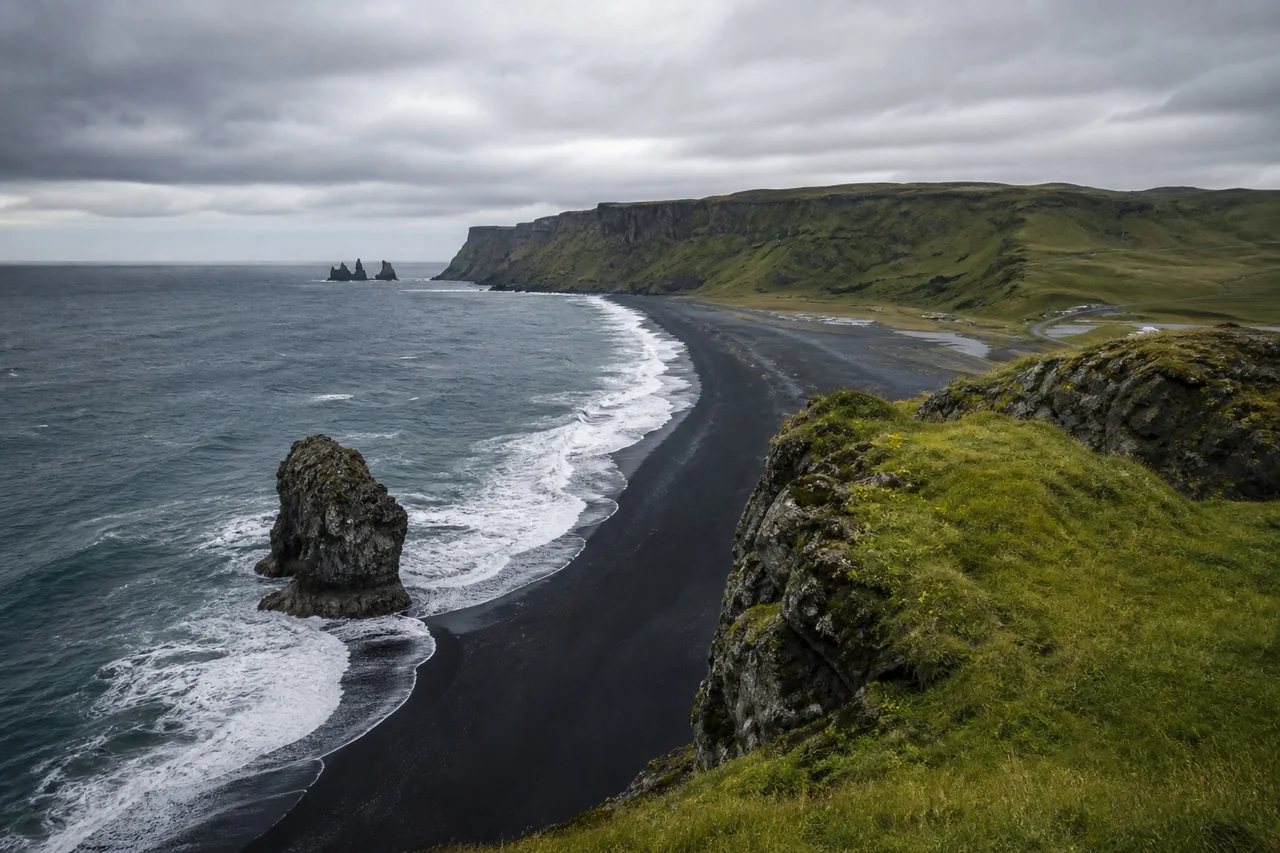
Waterfalls. Black sand. Time to stop.
Give the South Coast room to breathe. Explore the five-day outline →
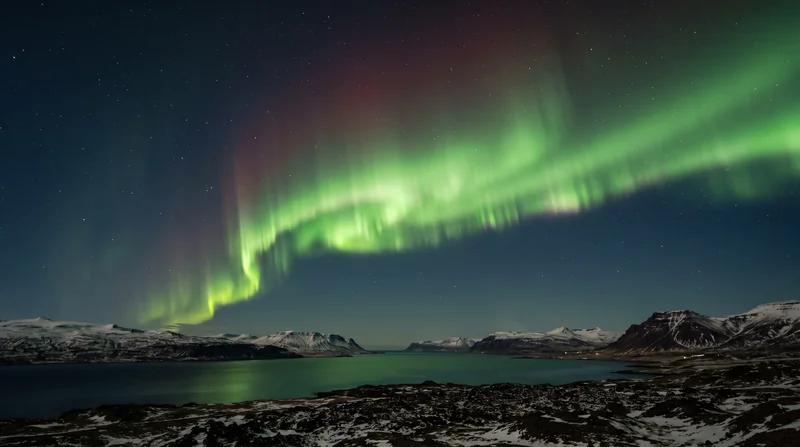
Chase darkness, not a guarantee.
Understand auroras, clouds and a realistic viewing plan →
Editorial illustrations from İzlandapedia’s existing visual library; not live conditions or promises of a particular view.
Practical destination cards
Þingvellir National Park
- From Reykjavík
- 45–60 minutes
- Visit
- 1–2 hours
- Parking/WC
- Designated areas; verify current services
- Walking
- Easy–moderate
- Winter
- Allow for ice and wind
- Accessibility
- Varies by visitor area
Geysir geothermal area
- From Reykjavík
- 1.5–2 hours
- Visit
- 45–75 minutes
- Services
- Parking, WC and food may be available nearby
- Walking
- Easy; stay on marked paths
- Winter
- Slippery surfaces
- Children
- Close supervision
Gullfoss waterfall
- From Geysir
- About 10 minutes
- Visit
- 45–75 minutes
- Services
- Designated parking and visitor area
- Walking
- Steps and slopes
- Winter
- Icing and path closures
- Photography
- From open viewing areas
Skógafoss waterfall
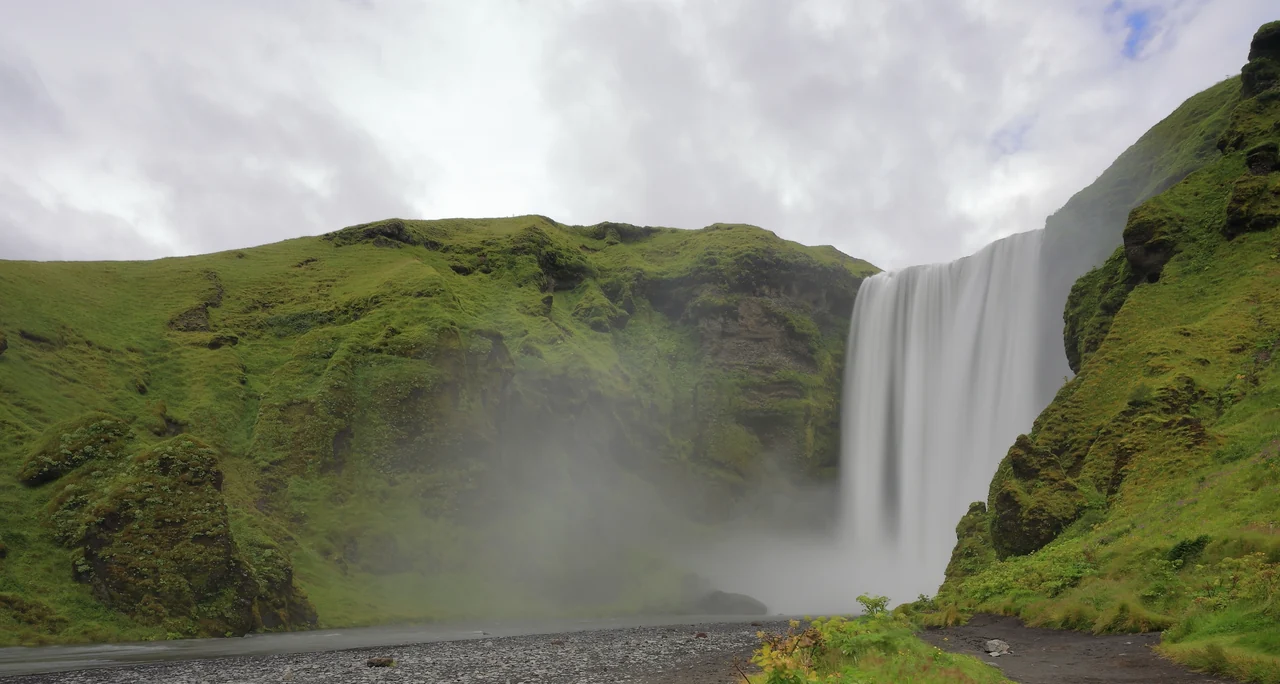
- From Reykjavík
- 2–2.5 hours
- Visit
- 45–90 minutes
- Services
- Verify parking and WC availability
- Walking
- Easy lower area; strenuous stairs
- Winter
- Spray can create ice
- Overnight
- Use permitted campsites
Reynisfjara black sand beach
- From Vík
- 10–15 minutes
- Visit
- 30–60 minutes
- Main risk
- Sneaker waves
- Walking
- Looks easy; sea conditions are dangerous
- Children
- Constant close supervision
- Safety
- Obey signs and warning lights
Jökulsárlón Glacier Lagoon
- From Reykjavík
- About 5 hours each way
- Visit
- 1–2 hours
- Overnight
- Southeast Iceland
- Walking
- Condition-dependent
- Winter
- Short daylight and road risk
- Planning
- Better within a 5-day route
Plan A, B and C for changing weather
Plan A – Good conditions
Use the full route but recheck road and wind conditions at major stops.
Plan B – Rain or poor visibility
Reduce stops, remove long walks and take a longer break in the nearest town.
Plan C – Strong wind or road warning
Do not enter the warning area. Stay in Reykjavík, postpone the route or return safely.
Where can you stop for services?
Selfoss
A major service centre for groceries, fuel, restaurants, pharmacy services and toilets.
Hella
Useful for fuel, basic groceries and a short coffee stop.
Hvolsvöllur
Fuel, groceries, food and regional visitor information may be available.
Vík í Mýrdal
An important South Coast centre for groceries, fuel, food, accommodation, toilets and visitor services.
Opening hours and services change; verify them before departure.
03 / Work out the full cost
How much does an Iceland trip cost?
There is no single reliable total. Dates, vehicle, route, accommodation and activities change the cost quickly. These are decision profiles, not fixed prices.
Budget
Hostels or campsites, grocery-based meals and free nature stops.
Mid-range
Guesthouse/hotel mix, rental car and selected paid activities.
Comfortable
Flexible accommodation, broader car cover and guided activities.
Calculate car, fuel, accommodation, food, parking, activities and a route-change reserve separately. Related: grocery prices, cost of living and Icelandic króna and budgeting.
See how trip length changes the budget
A completely fictional calculation for two people. These are not current accommodation, rental or grocery prices. Obtain quotes for your own dates: rooms and cars are shared costs; meals are per person.
94,600 ISK per person · based on the same fictional rates
159,500 ISK per person · based on the same fictional rates
225,500 ISK per person · based on the same fictional rates
The three examples assume 3/5/7 calendar days and 2/4/6 nights. Add room, car and meal costs if arrival/departure days are additional to the full sightseeing days above. International flights, insurance, shopping and separate airport transfers are excluded. Deposits or card holds are excluded from spending; plan available credit separately. The 10% allowance is an arithmetic example, not a recommended minimum safety reserve.
See the assumptions and itemised calculation
Assumptions: shared room 28,000 ISK per night, car 15,000 ISK per day, food 6,000 ISK per person per day, selected activities 10,000 ISK per person in total. Illustrative fuel and parking totals are separate in the table. The example car figure is assumed to include the chosen cover and extras; add them if your actual quote does not.
On a small screen, scroll the table sideways to compare all three durations.
| Cost / ISK | 3 calendar days | 5 calendar days | 7 calendar days |
|---|---|---|---|
| Accommodation · 2 / 4 / 6 nights | 56,000 | 112,000 | 168,000 |
| Car · 3 / 5 / 7 days | 45,000 | 75,000 | 105,000 |
| Fuel · per vehicle | 12,000 | 18,000 | 26,000 |
| Food · two people | 36,000 | 60,000 | 84,000 |
| Activities · two people | 20,000 | 20,000 | 20,000 |
| Parking · trip total | 3,000 | 5,000 | 7,000 |
| Subtotal | 172,000 | 290,000 | 410,000 |
| Illustrative change allowance · 10% | 17,200 | 29,000 | 41,000 |
| Planned total | 189,200 | 319,000 | 451,000 |
| Total per person | 94,600 | 159,500 | 225,500 |
The five-day calculation is 290,000 + 29,000 = 319,000 ISK, or 159,500 ISK each when shared by two. One extra rental day adds 15,000 ISK under these assumptions; add extra accommodation and meals separately.
Sources for the new practical additions checked: 30 September 2026.
04 / Prepare for changing conditions
Driving in Iceland
Weather and wind can matter more than distance. Strong crosswinds, poor visibility, ice and standing water can make an apparently open road unsafe.
- Slow down on gravel and increase following distance.
- Check oncoming traffic before a one-lane bridge.
- Expect sheep or other animals on the road.
- Never stop where you obstruct sightlines or traffic.
- Never enter a closed road or drive off-road.
- Do not attempt river crossings without the right vehicle and experience.
Is a 4x4 necessary? No. It is usually unnecessary on paved Reykjavík, Golden Circle and South Coast roads in normal conditions. F-roads, winter weather and rental terms are different. See our getting around Iceland guide.
Camping and campervans in Iceland
You cannot legally sleep in a campervan wherever you choose. Outside organised campsites or urban areas, campervans and similar vehicles require permission from the landowner or rights holder.
- Use designated campsites.
- Do not enter private land without permission.
- Check special rules in protected areas.
- Never drive off-road.
What is the best month to visit Iceland?
| Season | Daylight | Weather and roads | Advantage | Trade-off |
|---|---|---|---|---|
| Winter | Short | Ice, snow, storms and closures | Winter landscapes | Less flexibility |
| Spring | Rapidly increasing | Variable transition conditions | Quieter periods | Winter conditions may remain |
| Summer | Very long | Main roads generally more accessible | Long travel window | Higher demand |
| Autumn | Rapidly decreasing | Wind and early winter risk | Quieter routes | More fragile plans |
Read our winter and darkness guide for seasonal context.
Iceland packing checklist
How to adapt the packing checklist to the season
- Summer
- Long daylight does not guarantee warm conditions. Keep a waterproof/windproof outer layer, insulation, hat and gloves on the list.
- Winter
- Fit outdoor visits within the available daylight. Check footwear and ground conditions; suitable clothing does not make icy or closed paths accessible.
- Spring and autumn
- Use the day’s forecast rather than the season’s name. Keep spare dry layers protected from rain and allow flexibility in route and accommodation.
Use wool or synthetic base layers, insulation and a waterproof/windproof outer layer. Clothing does not override a weather warning or an area closure.
SafeTravel — layered clothing. Sources for the new practical additions checked: 30 September 2026.
Adjust layers to the month, warnings and activity. Packed: 0 / 11
Common mistakes tourists make in Iceland
- Treating Google Maps time as the full travel day
- Not checking weather warnings
- Underestimating wind
- Putting too many places into one day
- Stopping dangerously at the roadside
- Leaving fuel until the last moment
- Underestimating Reynisfjara waves
- Not understanding F-road rules
- Driving off-road
- Continuing when conditions deteriorate
Critical safety notes
Check live conditions
Use these live services before departure and during your trip. This guide does not report current road, weather or access conditions.
Before you set off
Check the plan at three points
- When booking
- Record actual travellers/rooms, nights, vehicle pickup/return locations, extras and cancellation deadlines. Keep written change conditions.
- Before setting off
- Match each day’s main goal to its overnight address. Keep tickets, accommodation contacts and rental assistance details available offline.
- Every driving morning
- Check SafeTravel, Umferðin and Met Office warnings. Decide when to remove stops; do not continue on a closed road to reach a reservation.
This list does not remove risk; make final decisions from current conditions.
05 / Keep the answers handy
Evergreen guide
50 things to know before visiting Iceland
Open each question for a direct answer. Recheck condition-dependent safety information with official sources immediately before travel.
Planning
1. When is the best time to visit Iceland?
There is no single best month. Summer brings long days and broader road access, while winter brings dark skies and winter conditions; choose your dates around the activity, daylight, weather, budget and your driving experience.
2. How many days do you need in Iceland?
Allow 5–7 full sightseeing days for a first visit. Count flight days separately; with only three full days, choose the shorter route. Compare the 3, 5 and 7-day routes →
3. Which regions should first-time visitors see?
Reykjavík, the Golden Circle and the South Coast form a clear first-trip spine. Add Snæfellsnes or Jökulsárlón only when your schedule has enough driving and weather buffer.
4. How should you plan a 3-day Iceland trip?
Use one day for the Golden Circle, one for the South Coast toward Vík, and one for Reykjavík and weather buffer. In winter, treat reaching Vík as condition-dependent rather than compulsory.
5. How should you plan a 5-day Iceland trip?
Travel from the Golden Circle along the South Coast over two or three nights and reach Jökulsárlón only when conditions allow. Do not compress the return into one exhausting day; keep an adaptable overnight stop.
6. How should you plan a 7-day Iceland trip?
Travel the Golden Circle and South Coast without rushing, adding Snæfellsnes only with a suitable weather window. Keep one day open for bad weather, rest or rerouting.
7. How should you plan a 10-day Iceland trip?
Ten summer days can support a starter Ring Road plan, but do not add the Westfjords and Highlands to the same schedule. In winter, choose a smaller region or add substantially more time.
8. How many days does the Ring Road require?
Eight to ten summer days is a lower-end plan; ten to fourteen is more comfortable. Winter needs more buffer for closures, darkness and ice, and an open road is not automatically a safe road.
Weather and clothing
9. What is Icelandic weather like?
It is often cool, windy and changeable, and monthly averages do not predict the day you will experience. Sunshine, rain, sleet and strong wind can occur within one day.
10. Why does the weather change so quickly?
Iceland’s North Atlantic position, moving weather systems and exposed terrain amplify rapid changes. Recheck official forecasts and warnings during the day instead of relying on the morning forecast.
11. What should you wear in Iceland?
Use layers: a moisture-moving base, warm mid-layer and windproof, waterproof shell. Drying layers, a hat, gloves and sturdy shoes are more useful than one heavy cotton garment.
12. Do you need waterproof clothing?
Yes. A waterproof and windproof jacket is basic outdoor equipment, and waterproof trousers matter during long exposed stops; an umbrella is not a reliable substitute in strong wind.
13. Is Iceland really cold in summer?
Summer can feel mild, but wind and rain can lower the apparent temperature quickly. Carry a warm mid-layer for evenings, coasts and higher ground.
14. How many hours of daylight are there in winter?
It varies by month and location, with very short daylight around December in Reykjavík. Plan around twilight, road conditions and stop duration—not sunrise and sunset alone.
15. When can you experience the Midnight Sun?
The brightest nights are around the summer solstice. In Reykjavík the sun may dip briefly below the horizon while the night stays bright; farther north the effect is stronger.
Transport
16. Do you need to rent a car in Iceland?
No. Compare tours and transfers for the places you want to visit before booking; renting only for your rural travel days is another option. Compare car-free travel and a road trip →
17. Should you rent a 2WD or 4x4?
A 2WD is often sufficient for paved Golden Circle and South Coast roads in normal conditions. F-roads, winter conditions, clearance and rental terms are separate issues, and 4x4 does not make bad weather safe.
18. Is driving in Iceland difficult?
Main roads are straightforward; wind, ice, gravel, one-lane bridges, animals and long service gaps create the challenge. Slow down for conditions and never stop where you obstruct traffic or sightlines.
19. What is an F-road?
An F-road is a seasonal highland road whose surface, maintenance and river crossings may differ sharply from main roads. Opening dates change each year and must be checked on the official road map.
20. Is a 4x4 required on F-roads?
Many highland roads require a suitable four-wheel-drive vehicle; some require a larger or specially modified vehicle. Check the route, current access, rental permission and insurance cover separately. See SafeTravel’s highland driving guidance.
21. What are Iceland’s speed limits?
Signs take priority. Common maximums are 30–50 km/h in urban areas, 80 km/h on rural gravel roads and 90 km/h on rural paved roads; conditions may require a much lower speed.
22. Is winter driving safe?
It can be possible for experienced drivers with a suitable vehicle in good conditions, but ice, drifting snow, darkness and closures increase risk. Delay travel during warnings and shorten each driving day.
23. What should drivers do in strong wind?
Check official warnings and road stations; tall vehicles and trailers are more vulnerable. Control doors with both hands, leave room around large vehicles and postpone travel in severe weather.
24. How do petrol stations work?
Self-service card pumps are common and may require a PIN or pre-authorisation. Do not run the tank low on remote routes, and identify the next operating station before leaving a settlement.
25. Can you travel Iceland in an electric vehicle?
Yes on many popular routes, but weather, wind and cabin heating affect range. Verify the operator, connector, payment method and working status before departure, and avoid relying on one charger.
Routes
26. What is the Golden Circle?
It is the popular route linking Þingvellir, the Geysir geothermal area and Gullfoss. Although accessible from Reykjavík, a full day is more realistic once parking, walking and weather stops are included.
27. Why is the South Coast popular?
Waterfalls, black-sand coasts, Vík and glaciers provide varied landscapes within a practical corridor. Popularity does not remove risk: Reynisfjara waves and winter roads need specific care.
28. What is the Ring Road?
Route 1 is the main road spine around much of Iceland; it does not include every attraction. Detours increase distance, while bridges, weather and maintenance change travel time.
29. Why visit Snæfellsnes?
The peninsula combines coast, lava, villages and the Snæfellsjökull area in a compact route. A day trip is possible, but an overnight stay gives more room for wind and longer stops.
30. What can you see on Reykjanes?
The peninsula offers geothermal areas, coasts and young volcanic terrain. Volcanic hazards and closures can change, so check same-day official access information.
31. Who are the Westfjords suitable for?
They suit travellers who want a quieter, slower journey and are prepared for long, narrow or gravel roads. Treat the region as its own route rather than squeezing it into a short first trip.
Nature
32. When can you see the Northern Lights?
You need darkness and sufficiently clear sky; Iceland’s official tourism source describes a season roughly from late August to late April. Aurora is never guaranteed, and cloud cover often matters more than an activity index.
33. Can you see the Northern Lights from Reykjavík?
Yes, on clear nights with sufficient activity. A safe coastal or park location away from direct lighting improves the view; check weather and aurora forecasts first.
34. Are Iceland’s volcanoes dangerous to visitors?
Risk depends on the event and location; lava, gas, ash, fissures and sudden closures are possible. Visit only open areas and follow police, Civil Protection, Met Office and SafeTravel instructions.
35. What should you do during volcanic activity?
Do not cross closures or barriers, and avoid low areas where gas can collect. If you receive an evacuation message, use the stated route and never approach an event merely to watch it.
36. Can you enter ice caves alone?
Ice structure and access can change daily, so an ice cave is not an ordinary walk. Use a certified or experienced guide with current local knowledge and proper equipment, and never enter a closed cave.
37. Why can black-sand beaches be dangerous?
Sneaker waves can surge far above the normal waterline after a calm period. At Reynisfjara, obey the warning lights, never turn your back on the sea, keep children close and respect closures.
38. What should you know about hot springs?
Not every hot spring is safe for bathing, and temperature can change over one step. Enter only permitted areas, remain on marked paths and protect fragile ground.
Money and daily life
39. Is Iceland expensive?
Accommodation, vehicles, restaurants and activities can be costly. Instead of trusting one average, price accommodation, transport, food, parking and a rerouting reserve for your actual dates.
40. How much daily budget do you need?
A fixed number ages quickly and varies by travel style. Build economy, mid-range and comfortable scenarios from live booking prices, including fuel or charging and a possible weather-related extra night.
41. Do you need cash in Iceland?
Cards and contactless payments are widespread, so many visitors need little cash. Keep a backup payment method and know your PIN for unattended pumps.
42. Are credit cards accepted everywhere?
Credit and debit cards work almost everywhere in cities and visitor services. Remote self-service systems can differ by card, PIN or app requirement, so do not depend on one payment method.
43. Is tipping required?
Tipping is not an expected obligation and service is included in the price. You may leave a voluntary tip for exceptional service, but no percentage calculation is required.
44. How can you save on groceries?
Shop with a plan near the start of the route and prepare breakfast and road meals. Account for limited remote choices, refrigeration, kitchen access and food waste.
45. Can you drink tap water?
Cold tap water in Iceland is generally drinkable and refilling a bottle is normal. A sulphur smell from hot water can come from geothermal systems; run the cold tap for drinking.
Accommodation and communication
46. Should you stay in Reykjavík or outside the city?
Start with your first stop the next day: an overnight on the route may save a return drive. Compare a city base with overnight stops along the route →
47. What are Iceland’s camping rules?
Campervans, caravans and similar vehicles need an organised campsite, urban area or landowner/rightsholder permission for overnight stays. Tent rules differ, and protected areas can impose stricter local rules.
48. How good are internet and phone connections?
Coverage is generally good in settlements, with gaps possible in valleys, remote coasts and the Highlands. Save maps, bookings and emergency information offline rather than relying on a connection for safety.
49. Can you communicate in English?
English is widely used and visitor services are usually easy to navigate. A few Icelandic phrases are still a respectful start, and listening to place-name pronunciation can help with directions.
50. What should you do in an emergency?
Call 112 for life-threatening danger, accidents, getting lost or fire, and clearly state where, who, what and when. Review the 112 web chat and app before travelling, and move safely if you need a better signal.
In Iceland, if your call to 112 will not connect, has poor audio or disconnects, call +354 599 0112. Official 112 contact guidance · checked 3 October 2026.
Mini Icelandic for your trip
Road and place-name glossary Orðasafn
Twenty Icelandic words you will meet most often on road-condition maps, at rest stops and in place names. Recognising a warning or a name at a glance makes decisions on the road easier.
Einbreið brú
Single-lane bridge
Slow down; wait if a car is already on the bridge. The other 13 signs are in the car rental guide.
Car rental: road signs →Hálka
Þungfært
Ófært
Lokað
Bílastæði
Bensínstöð
Salerni
Toilet
Service centres along the road have toilets; plan your stops with the route.
Where to stop for services →Sundlaug
Foss
Jökull
Lón
Hellir
Fjall
Eldfjall
Hraun
Hver
Vík
Fjörður
Norðurljós
Quick itinerary recap
Are 3 days enough for Iceland?
Subtract flight time first and count your full sightseeing days. With three full days, choose the short route and keep distant stops for a longer trip.
How long does the Golden Circle take?
A full day is more realistic once stops and changing conditions are included.
Can I drive from Reykjavík to Vík and back in one day?
Yes in suitable conditions, but stops make it a long day.
Do I need to rent a car?
Before booking a rental, check whether tours or transfers reach your chosen stops. Compare your transport options.
Do I need a 4x4?
No on most paved main routes in normal conditions. F-roads and difficult seasonal conditions are different.
Can I drive the Golden Circle in winter?
Yes when roads are open and warnings are suitable, with extra time for ice and limited daylight.
Can I sleep anywhere in a campervan?
No. Outside organised campsites, permission rules apply.
What is an F-road?
An F-road is a highland road with special vehicle and seasonal conditions.
Are fuel stations frequent?
They exist between settlements, but gaps grow on remote routes.
How quickly does Icelandic weather change?
It can change significantly within one day, so recheck conditions during the route.
How many days do I need for the South Coast?
If you plan to reach Jökulsárlón, reserve overnight stops for the return journey too. Check the overnight bases in the 5-day plan.
What should first-time visitors see?
Choose one main stop per day and decide which stops to skip if weather changes. Compare Plans A, B and C.
Sources behind this guide
- SafeTravel Iceland
- Umferðin road conditions
- Icelandic Met Office
- Nature Conservation Agency — camping and access rules
- Visit Iceland – Golden Circle
- Visit Iceland – Ring Road
- 112 — emergency and backup contact numbers
- SafeTravel — highland vehicle suitability
Reader layout, emergency contact advice and condition-check links reviewed on 3 October 2026. Route timings remain editorial planning ranges; budget figures remain fictional examples. Follow current official instructions when conditions change.
Editorial responsibility and method. This guide is produced by İzlandapedia. The routes are editorial planning suggestions comparing overnight stops, return driving and shorter alternatives. Budget tables are worked examples with stated assumptions.
Review scope. On 12 November 2026, route promises, repeated answers and fee sources were reviewed. The previous route-overview and link update was on 2 November 2026. Source-check dates elsewhere apply to their own sections.