
Beyond the portrait
For people in Turkey, 29 October is Republic Day: a date of public commemoration and a chance to consider the country's future. For viewers in Iceland, it can also be an invitation to discover a figure whose name is familiar to millions but whose story may be less well known.
İzlandapedia’s documentary approaches Atatürk as more than a uniform or an official image. It follows a person who studied, read, made difficult decisions and experienced loss. English narration and Turkish and Icelandic subtitle versions make the film an opportunity for a shared conversation across languages.
From Salonica to Ankara
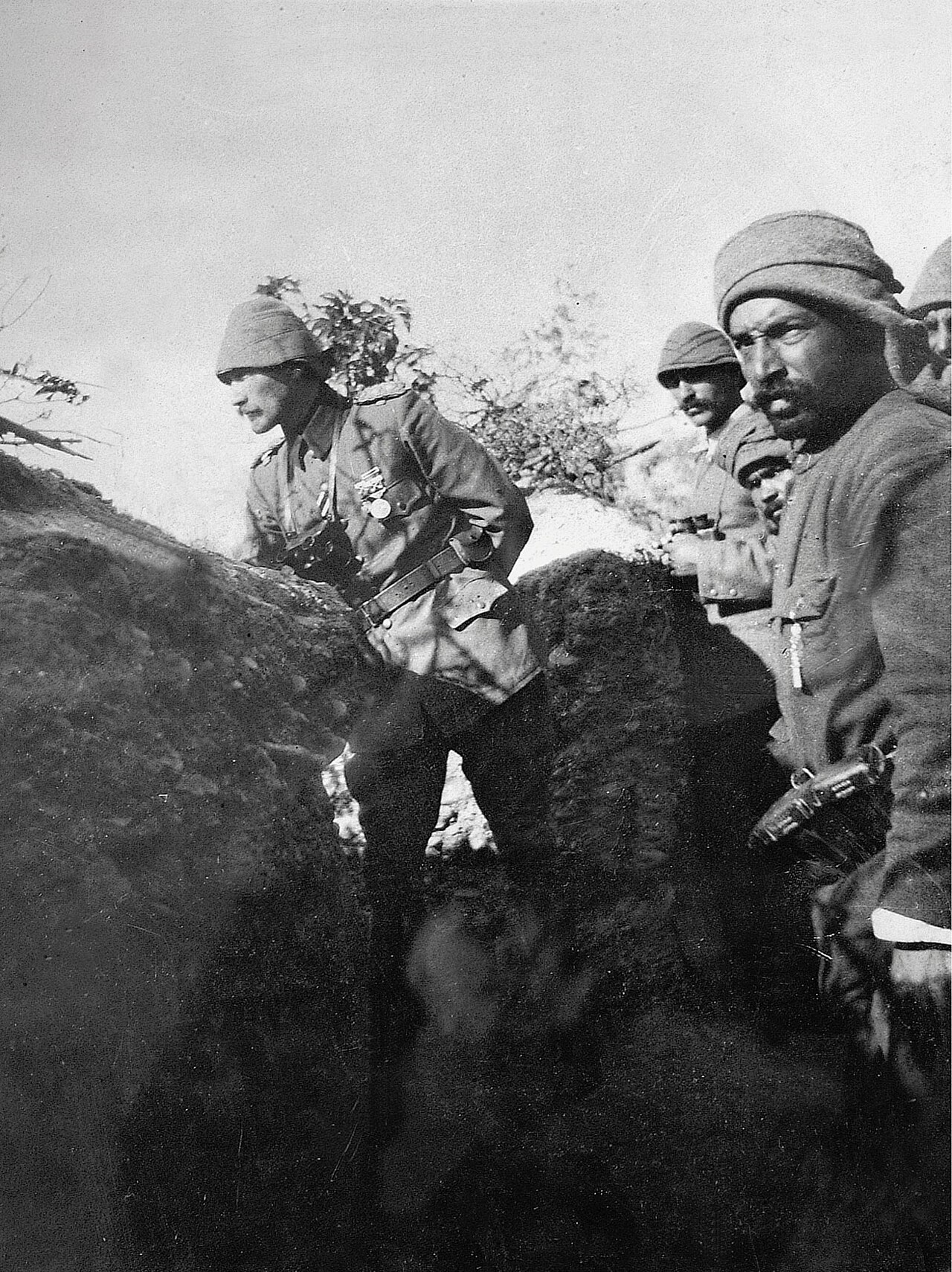
Mustafa Kemal was born in 1881 in Salonica, then an Ottoman city and now Thessaloniki in Greece. He trained as an officer. The film follows his service from Libya to Gallipoli, placing military decisions within the circumstances of a collapsing empire and the First World War. [1]
His arrival in Samsun in 1919 leads into the Turkish national struggle, the congresses and the assembly established in Ankara. The opening of the Grand National Assembly on 23 April 1920 and the proclamation of the republic on 29 October 1923 mark the connection between the independence struggle and the construction of a new political order. Mustafa Kemal became its first president. [2][3]
After victory: changing society
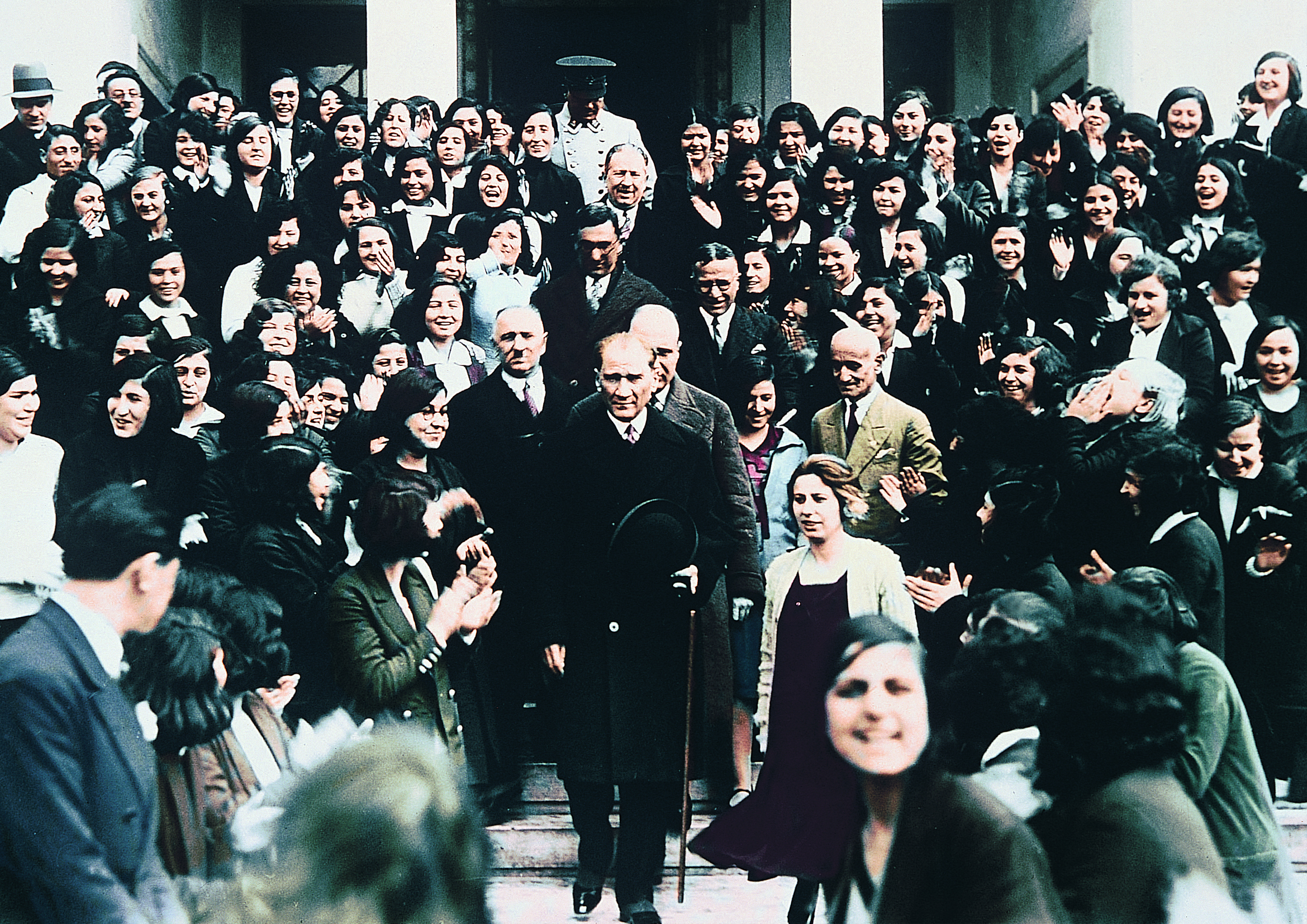
The story continues beyond the battlefield. The unification of education in 1924, the adoption of a civil code in 1926 and the introduction of a new Turkish alphabet in 1928 changed institutions and everyday life. These reforms are central to the documentary’s account of the republic. [5][6][7]
Women’s political rights developed through several stages rather than a single decision. Parliamentary voting and candidacy rights were recognised on 5 December 1934, following earlier local electoral rights. Women’s own campaigns belong in this history too. Legal advances did not remove every obstacle to equality overnight. [4]
The film’s editorial approach is to consider the aims of reform alongside the difficulties and restrictions of the period. Its discussion of secular institutions, education and reason also leaves room for the political conflicts and limitations of early republican government.
Why tell this story in Iceland?
İzlandapedia’s cultural work seeks to connect people, not simply destinations. Understanding another country involves encountering its history and the ideas through which people discuss their present. A name taken for granted in Turkey may be a new discovery for an Icelandic viewer.
The documentary therefore assumes no prior knowledge. Maps locate cities, dates establish a sequence and short explanations connect wars with the reforms that followed. The invitation is to learn about Atatürk through evidence, without requiring every viewer to share the same judgement.
A short chronology
- 1881 · Born in Salonica. [1]
- 1915 · Served as a commander at Gallipoli. [1]
- 19 May 1919 · Arrived in Samsun. [1]
- 23 April 1920 · The Grand National Assembly opened. [2]
- 29 October 1923 · The republic was proclaimed. [3]
- 5 December 1934 · Women gained parliamentary voting and candidacy rights. [4]
- 10 November 1938 · Died in Istanbul. [8]
İzlandapedia
Producer’s note · Özgür Akın
The following passage expresses the producer’s personal views and motivation.
I wanted to introduce Atatürk to the world, especially to the people of Iceland, where I live. I wanted to tell the story not only of a commander or a founder of a state, but of a person who sought to build a future grounded in reason, science, education and independence.
For me, his greatest achievement is the Republic of Turkey. There have been periods when the republic has been drawn away from its founding ideals. Yet the ideas that brought it into being have not disappeared. Governments change, but those ideas continue to live in people’s memory, their pursuit of rights and their desire for freedom.
I believe that the strength to heal the republic’s wounds lies in reason, science, equal citizenship and people taking responsibility for their own future. This film is a small gift to the Turkish people on the anniversary of the republic, and an invitation to those who do not yet know Atatürk. The republic is both a memory inherited from the past and a responsibility towards the future.
Sources and visual storytelling
The film combines archival photographs, AI-assisted illustrations and portrait animations. Illustrative scenes are not authentic footage of historical events; the distinction is identified in the film. Lines on maps show schematic geographical connections, not verified travel routes or exact battle lines. Source images vary in resolution; a 4K export does not mean every archival image is natively 4K.
Sources for this article
Sources checked: 15 October 2026. Numbers connect historical statements to the sources below. The producer’s views are not presented as historical documents or quotations from Atatürk.
- KTB · Biography of Atatürk
- KTB · 1920 chronology
- ATAM · Cumhuriyetin İlânı
- TBMM · Women’s parliamentary electoral rights, 5 December 1934
- KTB · 1924 chronology
- KTB · 1926 chronology
- KTB · 1928 chronology
- KTB · 1938 chronology