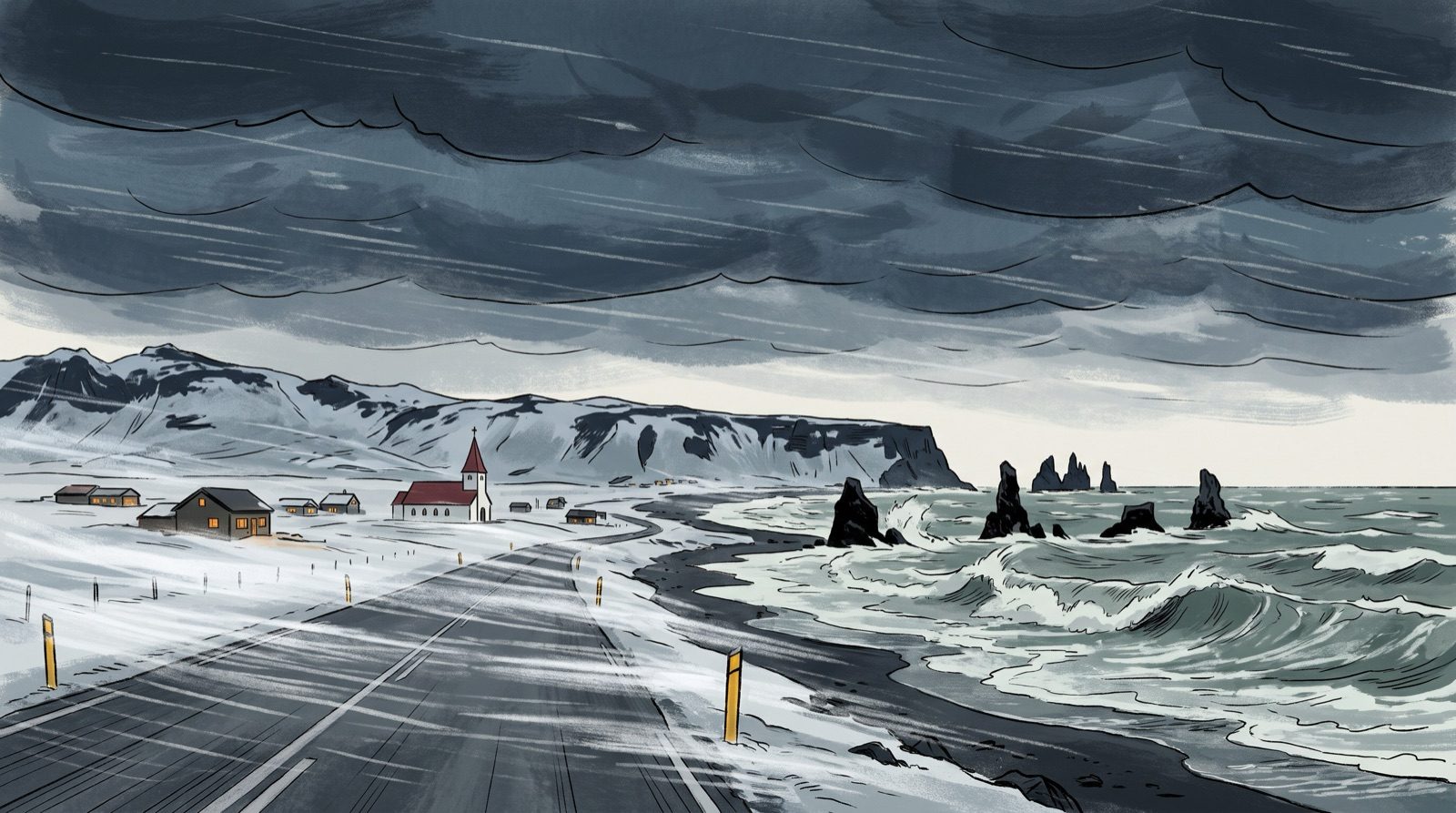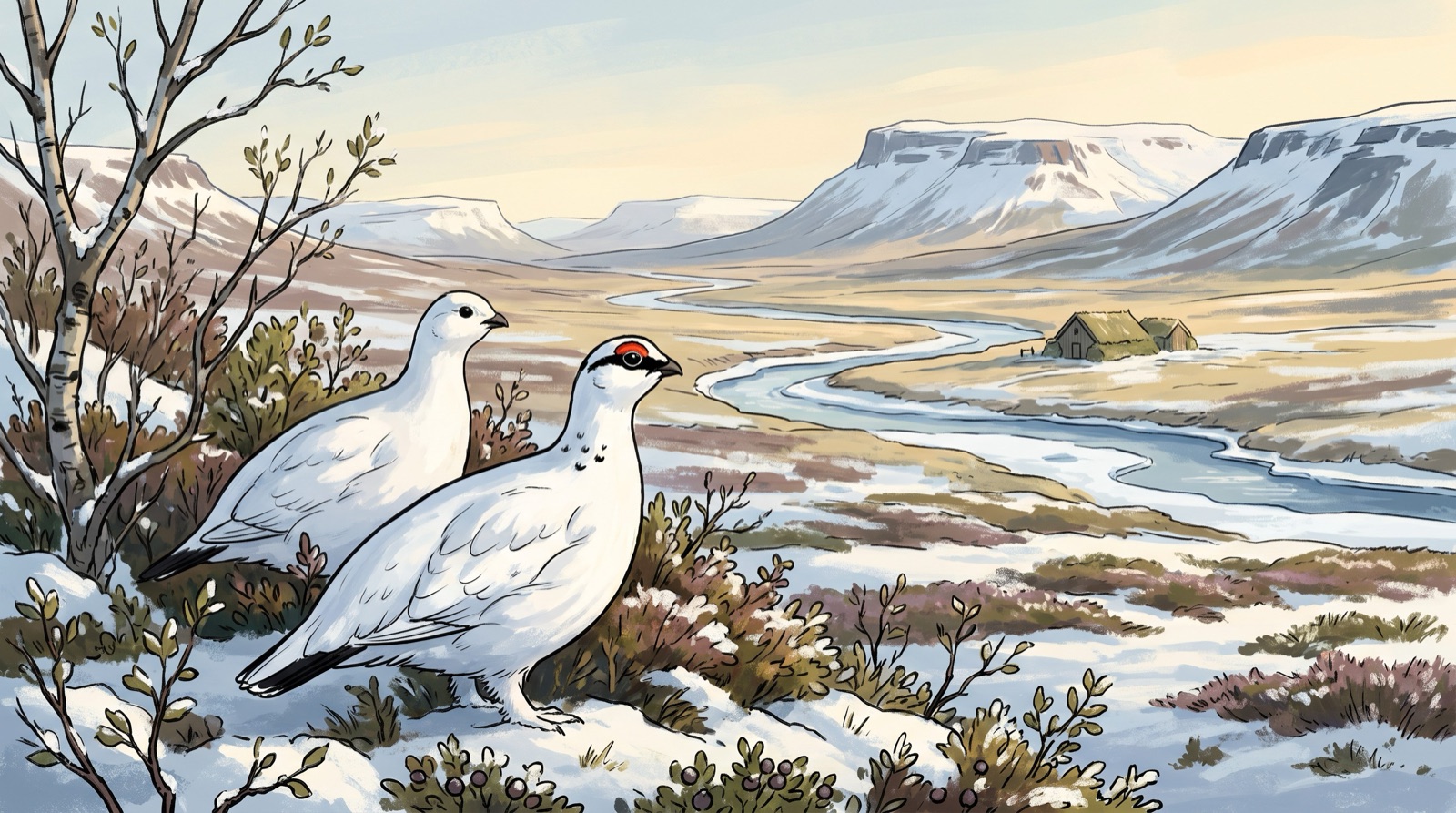
Iceland often brings to mind lava fields, glaciers and wide horizons. Yet parts of those open landscapes once supported native birch woodland. Bringing it back is about more than changing the view: it also concerns soil recovery and the storage of carbon in the land.
A soil study published in 2025 cites estimates that birch woodland covered around 20–40% of Iceland before human settlement, compared with about 1.5% today. The historical figure is an estimated range. The 1.5% figure refers to native birch woodland, not the combined area of every type of planted forest. 1
Cold alone does not explain the missing trees
After settlement began in the ninth century, exploitation for wood and pressure from livestock grazing contributed to woodland decline. Removing trees and preventing new generations from establishing reinforced each other. “Too cold for trees” is therefore an incomplete explanation of the landscape. 2
The key native woodland species is birch, known in Icelandic as birki: Betula pubescens. The Birkifræ project describes it as the native tree that formed woodland before settlement. Dwarf birch, although related, is a small shrub and should not be counted as the same woodland cover. 3
Can a woodland spread beyond its edges?
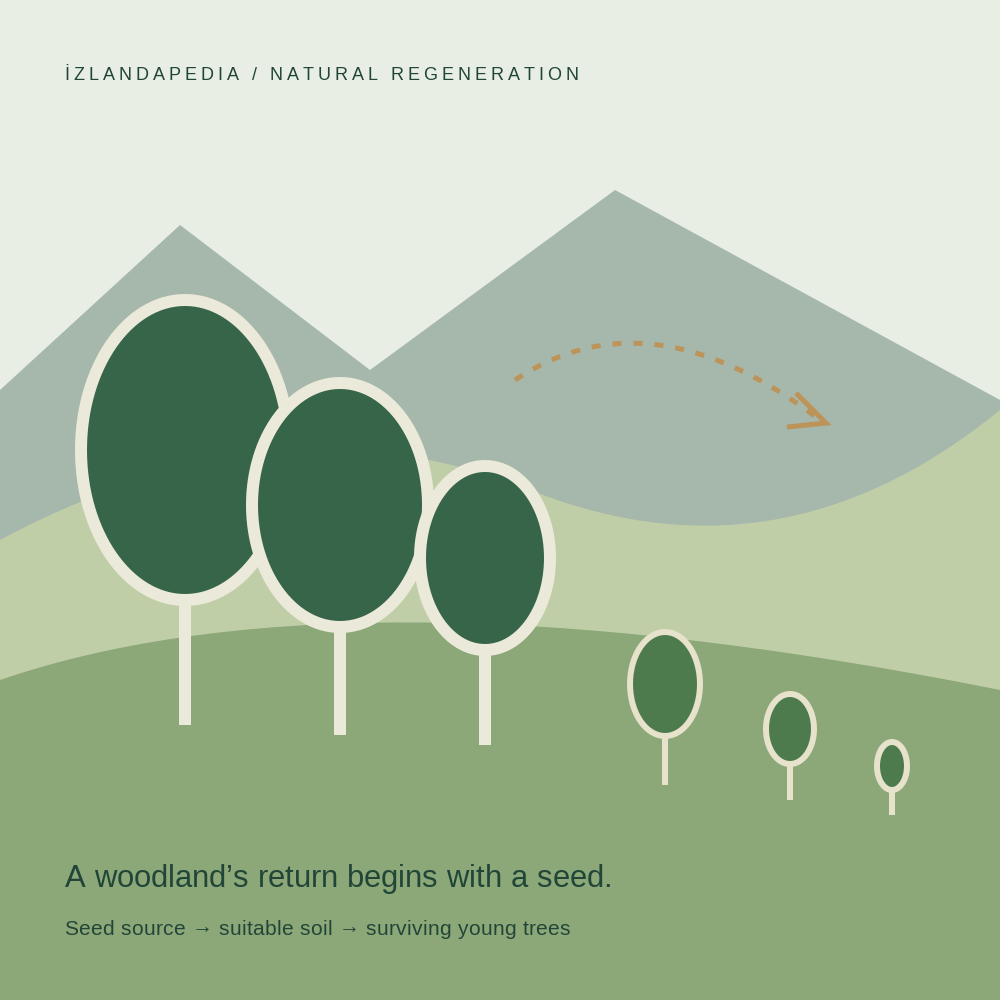
Anna M. Behrend and colleagues examined natural colonisation around 10 Icelandic birch woodlands. Young birch densities generally declined rapidly with distance from the seed source; establishment was particularly strong within the first 40 metres of the woodland edge. In some areas, however, seedlings occurred at densities potentially sufficient to form woodland up to 140 metres from existing seed sources. 2
These distances are not annual rates of woodland expansion. They describe the distribution of young trees in the study areas. They nevertheless reveal a possibility: suitable land beside existing woodland may regenerate without planting seedlings across the entire site.
Seeds arriving is only the first step. Wind, soil conditions, small safe sites for establishment and grazing all influenced colonisation. Interventions therefore need to suit the location: stabilising eroding ground, managing grazing pressure or planting seed-source trees where existing woodland is too far away. 2
A visible return at Sandvatnshlíð
Land and Forest Iceland’s account of Sandvatnshlíð provides a tangible example. After roughly a quarter-century of protection and monitoring, birch is spreading and the tallest trees have reached nearly four metres. Images from 2000, 2010 and 2025 allow the change to be followed over time. 4
This is a local result from sustained protection and targeted land restoration. It does not demonstrate equivalent recovery across Iceland.
What does the 5% target mean?
The Birkifræ project describes a target of increasing birch woodland and scrub cover from 1.5% to 5% of Iceland’s land area by 2030. That is a stated ambition, not an achieved result or a plan to cover the entire country with trees. 5
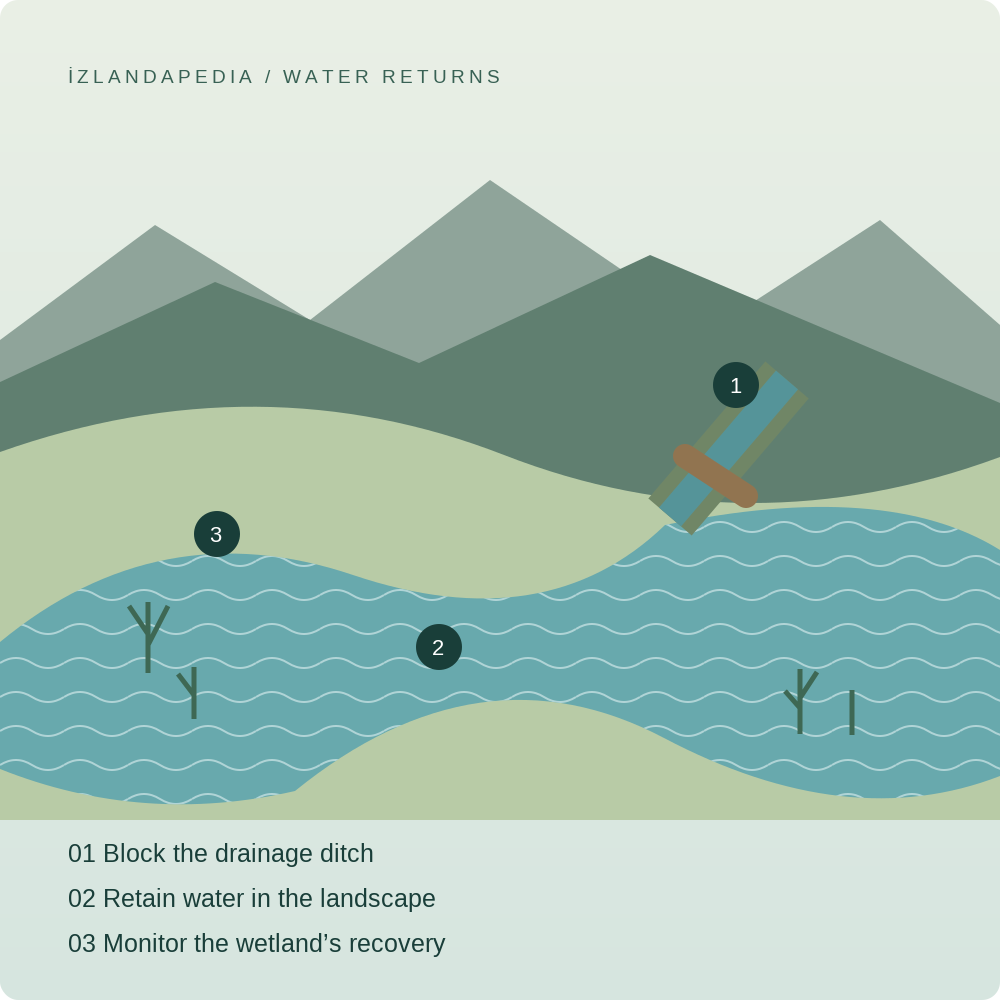
The current climate action plan includes protecting and restoring birch woodland alongside wetlands and other carbon-rich ecosystems. Restoring woodland therefore calls for assessing land use and existing ecosystems together, rather than treating every open site as land awaiting trees. 6
More than trees can return
A 2025 soil study spanning 10 study areas examined carbon storage in birch woodlands of different ages. The highest soil carbon stocks were found in old woodlands. The research also highlights the potential for birch restoration to reduce erosion and retain carbon in the soil. 1
These benefits take time. A young planting and a decades-old woodland do not have equivalent soils. Success needs to be assessed through tree survival, continuing natural regeneration and soil recovery, as well as the number of seedlings planted.
Iceland’s lost woodlands can return in some places, and in others they already are returning. The research does not promise an island covered in forest. It shows how protection, suitable conditions and time can change the future of a seemingly treeless slope.
Sources
Sources checked: 12 October 2026. Behrend’s study first appeared online on 4 November 2024; the journal issue is January 2025.
- Sanchez ve diğerleri — Soil carbon stocks of regenerating Icelandic native birch woodlands: Effects of space and time, 2025
- Behrend ve diğerleri — Natural colonization as a means to upscale restoration of subarctic woodlands in Iceland
- Birkifræ — Um birki
- Land og skógur — Birch spreading in Sandvatnshlíð
- Birkifræ — Markmið
- İzlanda iklim eylem planı — Landnotkun og skógrækt