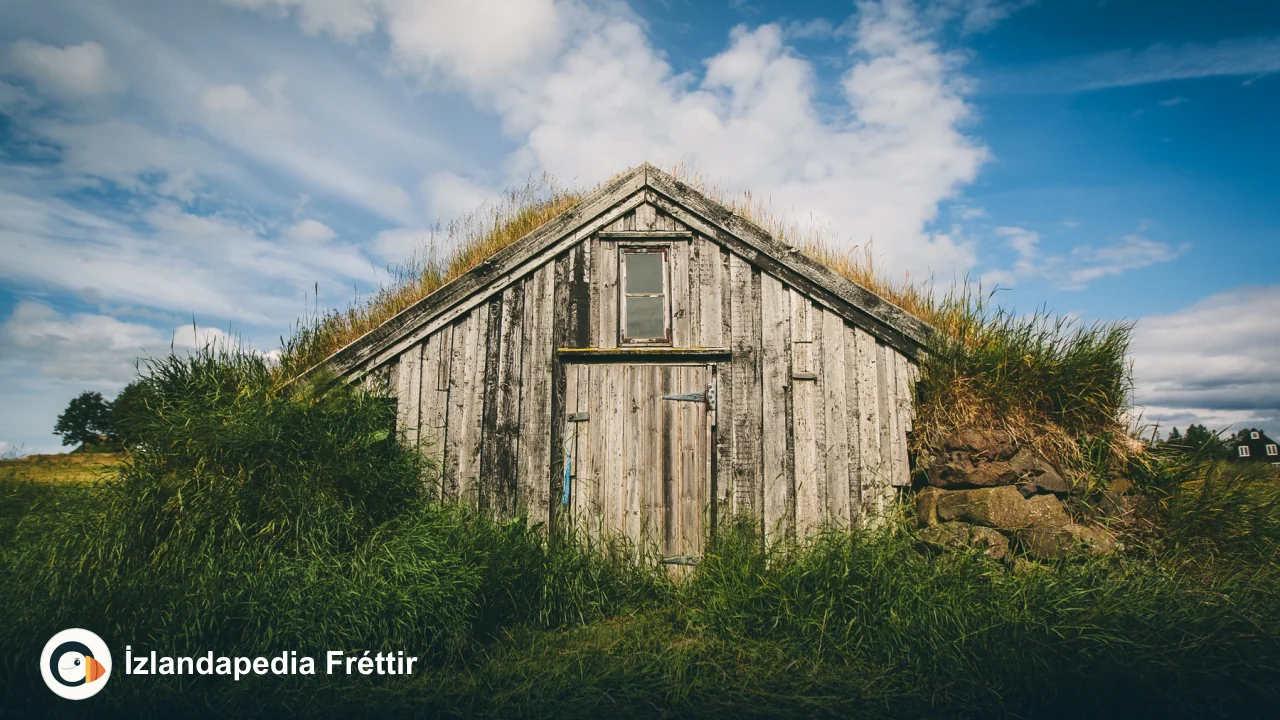
Iceland does not have to wait for its first snowflake to welcome winter. This year, Fyrsti vetrardagur — the first day of winter — falls on Saturday 24 October. It also marks the beginning of Gormánuður. This is a cultural boundary in a traditional calendar, rather than a date determined by the temperature.Ísafjarðarbær · Veturnætur 2026
A year divided into two main seasons
The old Icelandic calendar divided the year into summer and winter. Each half-year was a misseri, giving the calendar its name, misseristal. This does not mean people failed to recognise spring and autumn. It describes the structure of their timekeeping. Weeks mattered: a date could be expressed through the number of weeks that had passed since the beginning of summer or winter.Vísindavefurinn · Misseri
Why add a whole week?
Fifty-two weeks make 364 days, shorter than the solar year. Without correction, calendar dates drift away from the seasons. Svante Janson’s historical study explains how Íslendingabók records early recognition of this problem. Adding an extra week in certain years helped keep the calendar aligned. This addition was known as sumarauki, an extra summer week.Svante Janson · The Icelandic Calendar
Gormánuður has a surprisingly earthy name
The name may sound poetic, but its origins are practical. Linguist Guðrún Kvaran explains that gor means partly digested food in an animal’s digestive system, especially that of a ruminant. The month’s name is linked to the slaughtering season. It reflects work involving meat and hides rather than a romantic description of winter. In the calendar used today, Gormánuður begins on a Saturday between 21 and 28 October.Guðrún Kvaran · Gormánuður
The sagas describe welcoming winter with feasts
Veturnætur means winter nights. It refers to the two days before the first day of winter, or more broadly to the period around winter’s arrival. Chapter ten of Gísla saga describes feasts and religious observances welcoming the season. Gísli gives up the religious rites but continues to host feasts and guests. The account is not a complete record of a uniform festival celebrated identically across Iceland. It does, however, show winter’s arrival as an occasion to gather.Gísla saga · 10
What is happening in Reykjavík on 24 October?
Ásatrúarfélagið has announced a Veturnáttablót ceremony in Öskjuhlíð at 19:00 on Saturday 24 October. Alda Vala Ásdísardóttir will lead it, with songs by Teitur Magnússon. A shared meal follows: the organisation provides a base for the refreshments and guests contribute food. Those joining the meal are asked to register at skrifstofa@asatru.is, stating how many people will attend and what they will bring. Ceremonies are also planned in Akranes, Akureyri, Húsavík and Vestdalseyri. Non-members are welcome. These are contemporary religious practices, not evidence that historical rituals have survived unchanged.Ásatrúarfélagið · 24.10.2026
Ísafjörður welcomes winter through the arts
The annual Veturnætur arts and culture festival in Ísafjarðarbær runs from 21 to 25 October. This year’s theme is hafís, sea ice. Concerts, exhibitions, open-house events and family activities turn the seasonal transition into an opportunity for creativity and shared experiences.Ísafjarðarbær · Veturnætur 2026
How did people try to predict the coming winter?
A collection of weather folklore published by the Skagafjörður Heritage Museum describes people examining the internal organs of animals slaughtered in autumn. Changes in the colour of a spleen, for example, were interpreted as signs of a good or bad winter. These accounts document folk beliefs, not scientific forecasting. Snow on the first day of winter is not, by itself, evidence that the whole season will be severe.Byggðasafn Skagfirðinga · Blikur á lofti
Will the weather match the calendar?
The Meteorological Office’s capital-area forecast issued at 08:00 on 23 October predicts northerly winds of 3–10 m/s, clear weather and somewhat lower temperatures around Reykjavík on Saturday. Across Iceland, scattered rain or sleet showers are expected, with little precipitation in the south and west. This forecast does not support a claim that Reykjavík will see snow on the first day of winter. Check the latest local forecast before making plans.Veðurstofa Íslands · 23.10.2026
Whether or not the streets turn white, the old calendar will turn its page. For some, it will be an ordinary Saturday; for others, a ceremony, a concert or a shared meal. Iceland’s welcome to winter is also a story about coming together.